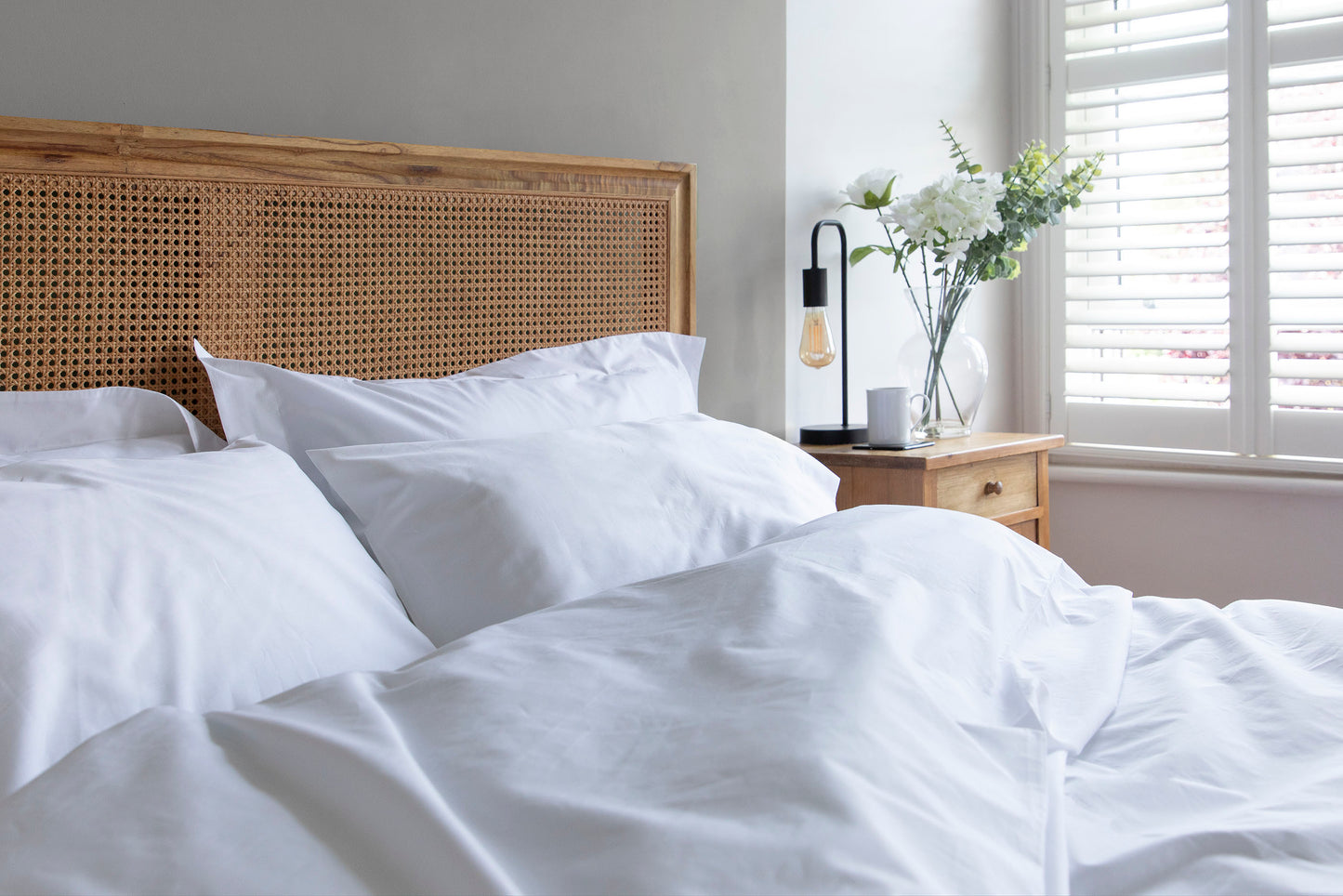
September Sale - Ends Sunday - 100% Pure Cotton bedding range, and luxurious handmade 100% European linen bedding.
Crafted for comfort. Priced for a limited time.


If you’ve ever bought two sets of cotton bedding that looked identical on the shelf, but felt completely different after a few washes you’re not imagining things.
At Linen Bay, our interest in cotton didn’t begin with trends or technical jargon. It grew slowly, out of lived experience, curiosity, and frustration. Sleep is too important to be compromised by scratchy, sweaty, or short-lived bedding, and yet that’s exactly what many people put up with, often without knowing there’s a better alternative.
So when people ask us, “Which cotton is best for bedding?” our honest answer is: it depends, but not in the way marketing would have you believe. This is what we’ve learned from sleeping on, washing, testing, and listening.
For years, we assumed the same things many people do. That higher thread count meant better quality. That “Egyptian cotton” was automatically superior. That words like “hotel quality” or “luxury” were meaningful.
They aren’t at least not on their own.
Our turning point came during a hotel stay in Cornwall many years ago. The sheets were crisp but soft, cool but not cold, breathable without feeling thin. Slipping into bed felt effortless and calming. It raised a simple question:
When a later purchase of “premium” bedding pilled within weeks, the contrast was impossible to ignore. That’s when we started looking beyond labels and into what actually makes cotton perform well not just on day one, but months and years later.

1. Thread count equals quality
Thread count is easy to market, but it’s a poor indicator of comfort or longevity. Very high thread counts are often achieved by using thinner, weaker fibres or by twisting multiple fibres together. The result may feel smooth initially, but it rarely lasts.
In our experience, anything above around 300–400 thread count offers diminishing returns and sometimes worse performance.
2. Egyptian cotton always means better
This was one of the biggest surprises. The term Egyptian cotton is loosely regulated and frequently misused. Much of what’s sold under that name isn’t Egyptian at all, and even genuine Egyptian cotton varies widely in quality.
What matters far more than geography is fibre length and integrity.
3. Softness on day one tells the whole story
It doesn’t. Some bedding feels wonderful straight out of the packet thanks to chemical finishes that mask poor fibre quality. Once those finishes wash away, the fabric can feel limp, waxy, or synthetic.
True quality often reveals itself over time.
After years of real-world testing not just swatches or specifications a few factors consistently matter.
1. Fibre length
Long-staple cotton fibres create yarns that are smoother, stronger, and more durable. Bedding made from long-staple cotton tends to:
This is one of the most important, and least talked about aspects of quality.
2. Weave matters more than most people realise
The weave (Sateen or Percale) affects how bedding feels, breathes, and regulates temperature.
Percale: crisp, breathable, and lightweight. Ideal for hot sleepers or those who love that fresh, hotel-style feel.
Sateen: smoother and slightly warmer, with a softer drape. Comfortable for cooler sleepers, but highly dependent on fibre quality.
We’ve found that a well-made percale using long-staple cotton often outperforms “luxury” sateen over time, especially for people who sleep warm.
3. How the fabric behaves after washing
This is where quality truly shows itself. Washing can reveal differences in softness, structure and durability, while natural dimensional change also explains why fitted sheets can shrink over time.
From our experience:
The best cotton bedding rarely peaks on day one. It gets better.
Listening matters. Over time, patterns emerge.
The most common complaints we hear about people’s existing bedding are:
“It’s too hot.”
“It felt great at first, but it didn’t last.”
We hear from hot sleepers desperate for breathability, parents who need bedding that survives frequent washing, and people with sensitive skin who react to harsh finishes.
One story that stayed with us came from a mother whose son has eczema. After switching to better-quality cotton, he began sleeping through the night — not because the bedding was a cure, but because it stopped irritating his skin. That distinction matters.
Again and again, customers say the same thing:
“I didn’t realise bedding could make this much difference.”
Why We Care About Organic Cotton and Transparency
Cotton is one of the most chemically intensive crops in the world. If something touches your skin for eight hours every night, we believe it should be clean, responsibly grown, and honestly represented.
Organic certification isn’t about perfection or virtue signalling. It’s about:
We’re also aware of how much greenwashing exists in this industry. Vague claims, misleading labels, and silence around sourcing leave consumers guessing. We think you deserve better information even when it’s less flashy.
Here’s how we’d answer a friend:
Choose long-staple cotton, in a weave that suits how you sleep.
At Linen Bay, we’re a small company. We live with these fabrics. We wash them, test them, and listen closely to the people who sleep on them every night. We care about longevity over trends, substance over slogans, and bedding that quietly does its job, night after night.
If there’s one thing we hope you take away, it’s this:
Quality cotton isn’t about numbers or buzzwords. It’s about fibre, weave, and real-life performance, long after the first wash.
That’s the standard we hold ourselves to.
While choosing the right cotton is important, many shoppers first ask a more fundamental question: should bed sheets be 100% cotton? We explore the benefits, drawbacks and what truly determines sheet quality in our detailed guide.